Loading...
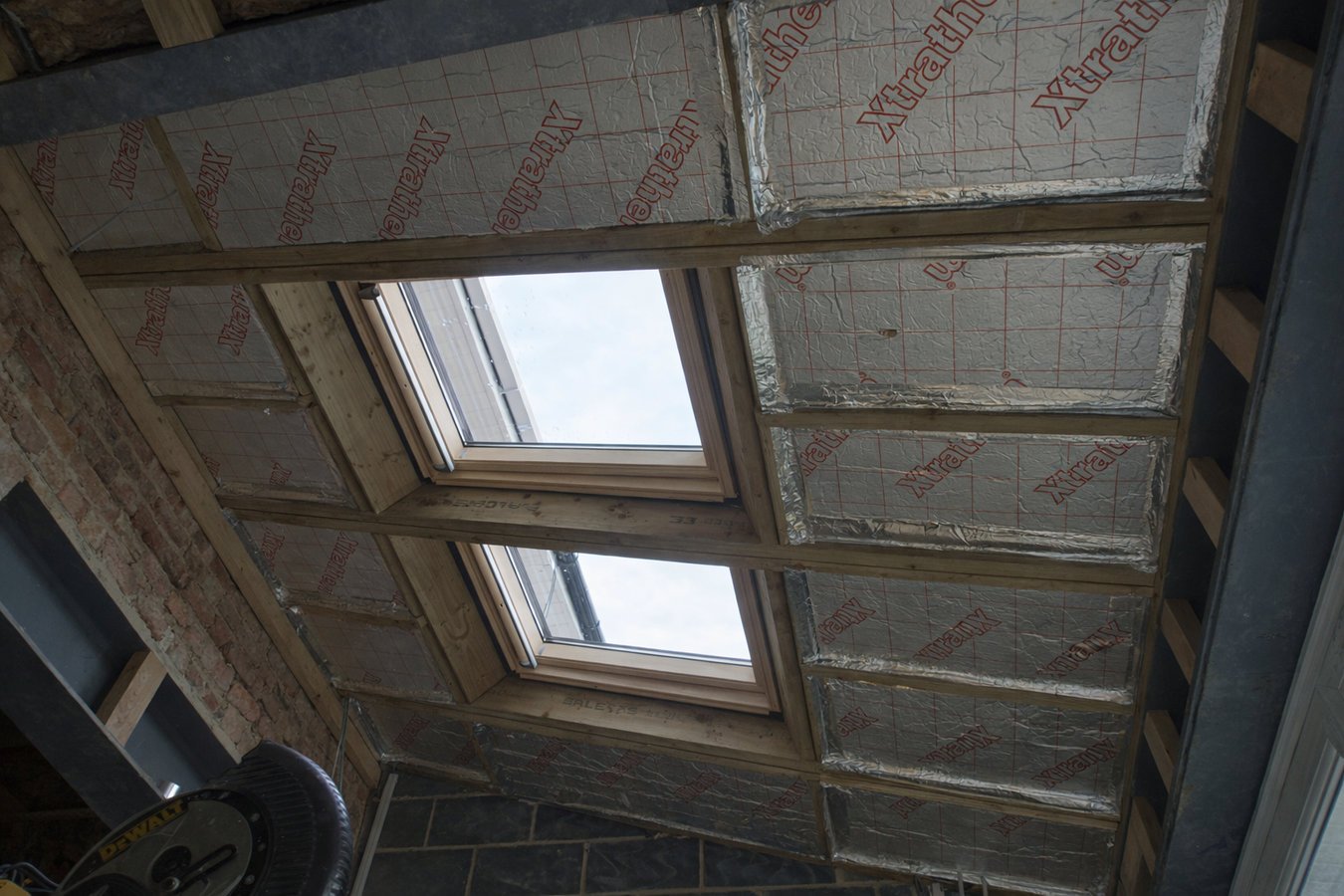
Most Nipomo homes built before 2000 are running on attic insulation that has compressed, shifted, or degraded. We inspect, remove what needs to go, and install to current California standards - leaving your home clean and performing the way it should.
Attic insulation in Nipomo, CA, acts like a thick blanket between your living space and the outdoors - slowing the movement of heat so your heating and cooling system runs less and your home holds a steady temperature. Most jobs on a single-story home take one day or less to complete. The challenge is that most Nipomo homes were built in the 1970s through 1990s, when insulation standards were far lower than they are today - and whatever was installed back then has had decades to settle, compress, and lose performance.
Nipomo's mild coastal climate can be deceiving. Even on a 70-degree afternoon when the marine layer rolls in off the Guadalupe-Nipomo Dunes, an attic with thin or patchy insulation can reach temperatures that force your air conditioner to run for hours. The rooms directly below the attic - often bedrooms - are the first places homeowners notice the problem. Before calling an HVAC technician, it is worth having the attic checked first.
Many homeowners pair attic insulation with attic air sealing - because sealing the gaps around pipes, wires, and fixtures before adding material is what makes the biggest difference in comfort. If your attic needs new material and you are deciding between installation methods, blown-in insulation is typically preferred for existing homes because it fills around joists and odd corners without leaving gaps.
If your energy bill has been creeping up year over year - especially in summer and winter - your attic insulation may be the cause. Heat moves through an under-insulated attic ceiling into your living space, forcing your air conditioner or heater to run longer. This is one of the most common and least obvious signs that your attic needs attention.
In Nipomo homes built in the 1970s and 1980s, it is common for one or two rooms to feel noticeably warmer in summer or cooler in winter than the rest of the house. This uneven comfort is usually caused by thin or patchy insulation in the attic above those rooms - not a problem with your HVAC system. A quick attic inspection will clarify the real source of the issue.
If you have heard scratching in the ceiling, found droppings near the attic hatch, or had pest control confirm rodent activity, your insulation may already be contaminated. Nipomo's proximity to open land and agricultural fields makes rodent intrusion more common here than in denser suburbs. Contaminated insulation must come out before new material goes in - leaving it in place creates ongoing odor and health problems.
If you peek into your attic and can clearly see the wooden beams running across the floor, your insulation is almost certainly too thin. A properly insulated attic in this California climate zone should have enough material to bury the joists completely. This is one of the simplest checks a homeowner can do without any tools - and it takes about 30 seconds.
We install blown-in insulation and fiberglass batts depending on your attic's layout and what your home needs. Cellulose insulation is the most common choice for existing homes - it fills around joists, pipes, and odd corners without the gaps that pre-cut batts can leave. Before any new material goes in, we seal air leaks around pipes, wires, and ceiling fixtures - because those gaps let conditioned air escape even when the insulation level looks correct on paper. Skipping the air sealing step is the reason many homeowners do not see the comfort and energy improvements they expected.
If your current insulation has been contaminated by rodent activity or is simply too degraded to build on top of, we handle full removal and disposal before installation. We also coordinate with the San Luis Obispo County building department for any projects that require a permit - and for homeowners who qualify, we can provide the documentation needed to apply for a PG&E rebate. The entire process is handled by our crew - you do not need to manage paperwork or schedule inspections yourself.
Best for existing homes - loose fill material fills around every joist, pipe, and corner without gaps, reaching the depth needed to meet California's recommended insulation levels.
A good option for attics with straightforward framing layouts where pre-cut rolls can be placed accurately without gaps near the eaves.
Required when existing material is compressed, rodent-contaminated, or moisture-damaged - we vacuum out the old material, bag it, and haul it away before new insulation goes in.
For homeowners who want to maximize comfort and energy performance - we seal gaps around all penetrations first, then install insulation on top for the best possible result.
Nipomo's coastal-influenced climate keeps outdoor temperatures mild - which can make homeowners underestimate what is happening in their attic. Even on a moderate summer day, a poorly insulated attic can reach temperatures well above the living space below, quietly driving up cooling costs. Most of the housing stock on the Nipomo Mesa was built between the 1970s and early 2000s, and the insulation installed in those homes has had decades to degrade. The Department of Energy recommends attic insulation reaching R-38 to R-60 for this California climate zone - most older Nipomo homes fall well short of that target.
The semi-rural character of Nipomo also means rodent intrusion is a real factor. The proximity to open land and agricultural fields that border neighborhoods throughout the mesa makes contaminated attic insulation a common finding during inspections - something homeowners in Grover Beach and Oceano also encounter. We inspect the attic for rodent activity before every job. When contaminated material needs to come out, we handle full removal and disposal as part of the project - not as an unexpected add-on after work has started. PG&E serves Nipomo and offers rebates for qualifying attic insulation upgrades, which can meaningfully reduce the net cost for eligible homeowners.
We respond within 1 business day. We will ask about your home's age, approximate attic square footage, and any comfort or energy issues you have noticed. No commitment - just enough information to schedule the right kind of visit.
A contractor accesses your attic through the hatch - usually 15 to 30 minutes. We check current insulation depth and condition, look for air leaks, and note any rodent activity or moisture issues. You receive a written estimate covering removal (if needed), air sealing, and new installation - all itemized before you commit.
Clear a path to the attic hatch on installation day. If the hatch is in a closet, empty the top shelf. Keep children and pets away from the work area while the crew is present. You do not need to leave the home, but the blowing machine is noisy.
Most jobs are complete in one day. The crew lays drop cloths, removes old material if needed, air-seals all penetrations, and installs new insulation to the target depth. Before leaving, they clean up and can provide documentation for a PG&E rebate application if you qualify.
We respond within 1 business day. There is no obligation after your estimate - you decide whether and when to move forward. After you submit this form, someone from our office will call to schedule a free attic inspection so we can see your home and give you an accurate number.
(805) 723-9619A lot of homeowners discover rodent damage or badly degraded insulation for the first time when a contractor opens the hatch on installation day. We look at the attic before we give you a number - so you know exactly what you are dealing with before a dollar is spent.
We have worked on homes across the Nipomo Mesa since 2016 and know what rodent intrusion, coastal moisture, and decades-old housing stock look like in the attic. That local context shapes how we quote and how we work.
Every project is completed by our experienced insulation crews and documented with photos from start to finish. You have a clear record showing the work meets the standard - which matters both for your comfort today and for your home's value when you sell.
If your project qualifies for a PG&E rebate, we provide the documentation and can walk you through the submission process. Rebate paperwork that is filled out incorrectly is rebate money you do not receive - we make sure it is right.
Nipomo Insulation has served homeowners on the Central Coast since 2016. The U.S. Department of Energy recommends specific R-values for California's Central Coast climate zone, and we install to those targets on every job. If you have questions about what your attic currently has or what it would take to bring it up to standard, call us and we will walk you through it.
Blown-in loose fill is the most common method for filling an attic evenly and reaching around joists, pipes, and odd corners without gaps.
Learn MoreAir sealing the gaps around pipes, wires, and fixtures before adding insulation is the step that makes the biggest difference in comfort and energy performance.
Learn MoreMost Nipomo homes built before 2000 are underperforming in the attic - call now or submit your information and we will reach out within 1 business day to schedule a free look.