Loading...
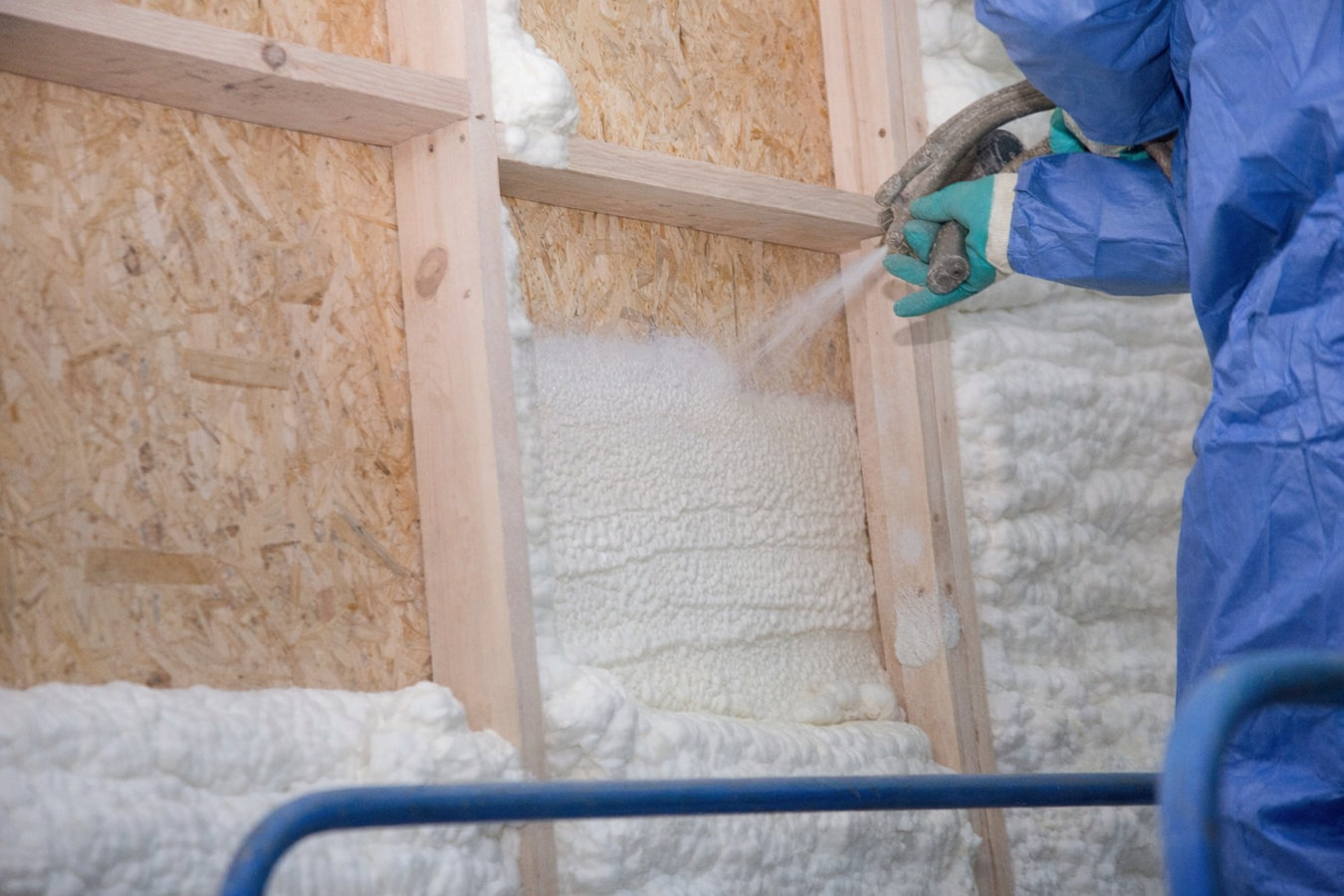
Cold floors and high energy costs often start below your feet. We insulate Nipomo basements and crawl spaces so your home stays comfortable year-round.
Basement insulation in Nipomo stabilizes temperatures in your lower level and stops heat from escaping through uninsulated walls and floors, and most jobs for an average-size home are completed in one to two days with no need to vacate.
Many Nipomo homes were built in the 1970s through 1990s, a period when insulation standards were far less demanding than they are today. If yours has never had basement work done, you are likely losing warmth every night from November through March - and paying for it on every heating bill. Basement insulation fixes that from the ground up.
For homes dealing with moisture alongside heat loss, pairing basement insulation with crawl space insulation addresses both problems in a single visit. A complete lower-level solution also pairs well with closed-cell foam insulation for the highest performance in damp or hard-to-reach spaces.
Nipomo's cool marine layer makes an under-insulated floor feel noticeably chilly underfoot, even when the rest of the house seems fine. Cold floors are a direct sign that the space below is not buffering the temperature difference. This is especially common in homes built before the 1990s where the lower level was never properly addressed.
Nipomo does not get extreme winters, but if your heating bill spikes noticeably from November through February, your home is losing warmth somewhere. The basement or crawl space is one of the most common culprits, particularly in homes built before modern energy codes. If similar-sized homes nearby are paying significantly less, the lower level is worth investigating.
A damp or musty odor from the basement is a warning sign that moisture is getting in and that any existing insulation may already be compromised. Water staining on walls or condensation on surfaces tells the same story. Before adding new insulation, a contractor needs to assess whether moisture is the root issue - trapping it behind insulation creates mold conditions.
If you bought an older Nipomo home and there is no record of insulation upgrades, the odds are good that the basement or crawl space is underperforming by today's standards. Homes from that era were often built with minimal insulation or none at all in the lower level. A quick visual inspection - even just shining a flashlight into the crawl space - can tell you a lot.
Most Nipomo homeowners have two primary approaches to choose from: insulating the basement walls directly, or insulating the ceiling above the basement - the floor between the lower level and the rooms above. Which approach makes more sense depends on whether your basement is heated and used as living space or left as unfinished storage. We walk you through both during the on-site assessment so there are no surprises on installation day.
Combining insulation with air sealing is nearly always worth doing at the same time. The small gaps around pipes, wires, and the rim joist - where the floor framing sits on top of the foundation wall - are responsible for a significant share of heat loss in older homes. For spaces with persistent moisture or tight clearance, we often recommend closed-cell foam insulation, which acts as both an insulator and a moisture barrier in one step. For the crawl space area specifically, crawl space insulation addresses the underfloor environment directly and is the right fit when the space below is vented to the outside.
Best for conditioned basements and finished or partially finished lower levels where walls are accessible.
Ideal for all basement types - the rim joist is one of the highest-impact areas to address and is accessible in most homes without major disruption.
Suited for homes with a vented crawl space where insulating the underside of the floor above delivers the most comfort improvement.
The right choice for spaces with moisture concerns or limited depth - combines insulation, air sealing, and vapor resistance in a single application.
Nipomo sits on a broad mesa a few miles inland from the Pacific, and the marine layer rolls in regularly - especially from late spring through early summer. That persistent coastal moisture works its way into crawl spaces and basement walls in older homes, where little or nothing was done to manage it when the house was built. The daily temperature swing between cool foggy mornings and warm afternoons means your heating and cooling system is constantly working to keep up. Basement insulation is one of the most direct ways to reduce that workload.
The bulk of Nipomo's housing stock was developed between the 1970s and 1990s - long before California's current energy standards were in place. Homes from that era were commonly built with minimal or no insulation in the lower level, and many have never been updated. Homeowners across Arroyo Grande and Oceano face the same issue - the same age of housing, the same coastal humidity, and the same gap between what was built and what current energy codes require. PG&E and SoCalGas both offer rebates for qualifying insulation upgrades, so it is worth asking your contractor whether your project qualifies before you commit.
Call or fill out the contact form and we will get back to you within one business day. We will ask a few basic questions about your space - finished or unfinished, any moisture history, rough size - so the site visit is focused from the start.
We come to your home and walk through the basement or crawl space. We check for moisture, existing insulation, gaps around pipes and the rim joist, and overall condition. The visit takes about 30-60 minutes and there is no obligation to move forward.
After the visit you receive a written estimate that outlines the recommended work, materials, and total cost. If a San Luis Obispo County permit is required - common for finished basement work - we include the fee and handle the application. No hidden costs.
Most jobs are done in one to two days. You can stay home during the work, but the basement will be off-limits. When we finish, we walk you through everything so you can see what was done and ask any questions before we leave.
Free estimate - no obligation. We serve all of Nipomo and South San Luis Obispo County.
(805) 723-9619We assess your basement for dampness, staining, and air gaps before recommending a solution. Skipping that step traps moisture behind insulation and creates mold - a far more expensive problem than the one you started with. We will tell you honestly if something needs to be resolved first.
Nipomo falls under SLO County's building jurisdiction, and we know the local permit requirements well. For projects that need one, we pull the permit, coordinate the inspection, and hand you the documentation. That paperwork protects you if you ever refinance or sell.
PG&E and SoCalGas both offer rebates for qualifying insulation upgrades, and many Nipomo homeowners do not know to ask. We explain what your project may qualify for before you commit - check current offerings at ENERGY STAR as well. The real out-of-pocket cost is often lower than the initial estimate suggests.
Every project starts with a written estimate that covers materials, labor, and schedule. You know what you are paying for before anyone shows up. We do not surprise you with add-ons, and we do not finish the job without walking you through the completed work.
We combine local knowledge of Nipomo's coastal conditions with a straightforward process - assess first, quote in writing, pull permits where required, and walk you through the finished work. That is the standard we hold every job to.
A high-density option that insulates, seals air, and resists moisture in a single application - well suited to tight or damp basement spaces.
Learn MoreDedicated insulation for vented crawl spaces under the home, targeting the underside of the floor and the crawl space walls.
Learn MoreMost jobs are scheduled within two weeks - call now or submit the form and we will get back to you within one business day.