Loading...
Thin attic insulation is the most common reason Nipomo homes run hot in the afternoon and cold on foggy mornings. Blown-in insulation fills every corner your old material misses - in a single day.
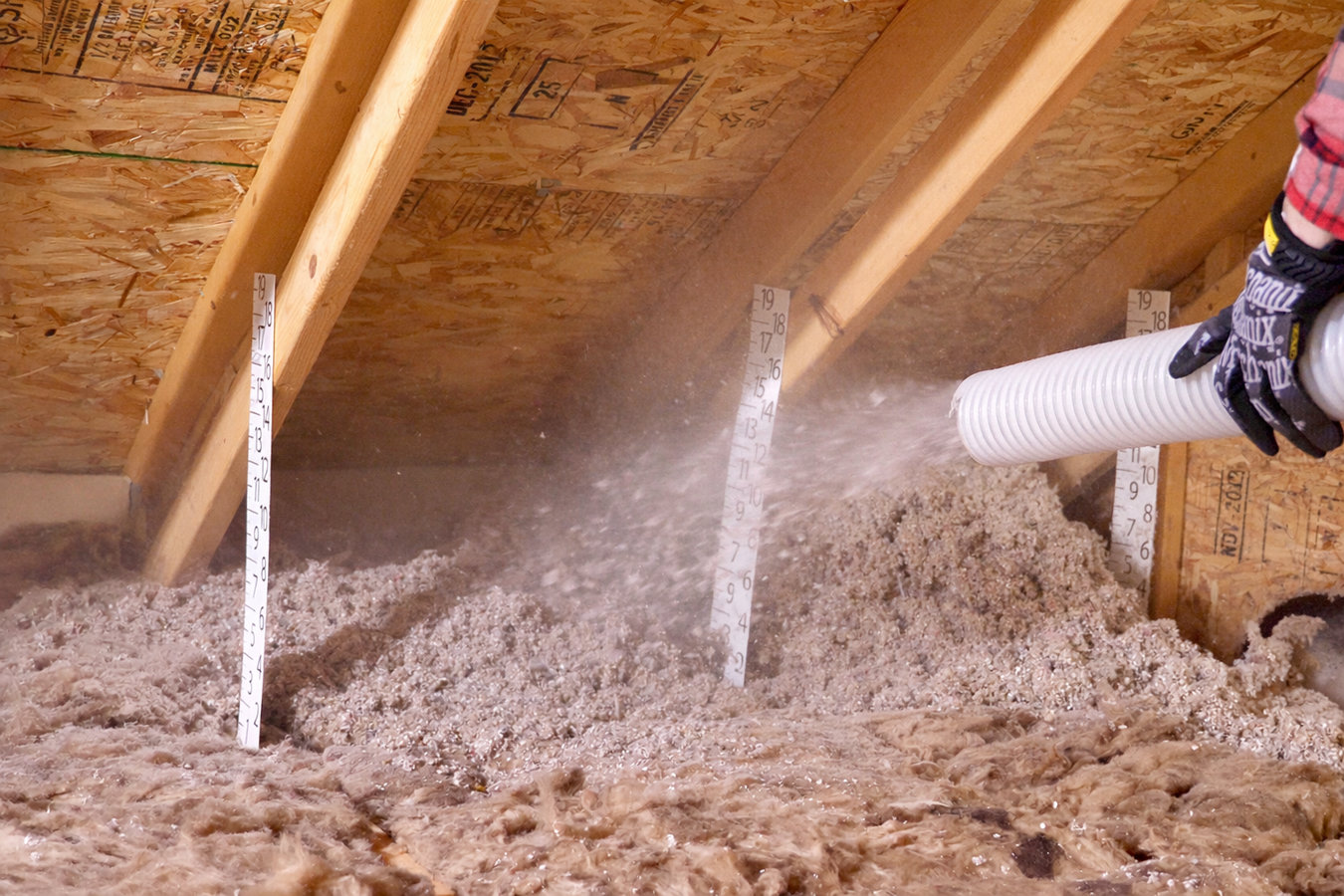
Blown-in insulation in Nipomo, CA, is loose material - usually fiberglass or cellulose - that a contractor blows into your attic using a large hose connected to a machine, filling gaps, corners, and irregular spaces that rigid batts cannot reach. Most attic jobs on a single-story home take a few hours. The result is a more complete thermal barrier with fewer hot or cold spots, and you can go about your day while the crew works.
Nipomo sits in a coastal climate where the marine layer brings cool, damp air most mornings and warm inland-influenced afternoons push heat into your attic from above. That two-way stress on your home is exactly what blown-in insulation is designed to handle. It slows heat transfer in both directions, so your home stays cooler in the afternoon without running the AC constantly and holds warmth longer on cool evenings.
For many homes, blown-in attic insulation pairs naturally with whole-home insulation work that also addresses walls and crawl spaces. If your concern is specifically the exterior walls of an older home, our page on wall insulation explains how blown-in material can be installed through small access holes without tearing into your drywall.
Look into your attic hatch and check whether the wooden boards - the joists - are visible above the insulation. If they are, your insulation is too thin. In Nipomo's climate zone, those joists should be completely buried. If they are showing, you are losing conditioned air every day.
If the upper floor or rooms near the ceiling feel noticeably warmer on a warm Nipomo afternoon even with the AC running, heat is moving through your attic ceiling faster than your system can remove it. This is one of the most common complaints from homeowners in older Nipomo tract homes, and adding attic insulation is often the single most effective fix.
Nipomo's warm inland afternoons, especially from July through September, push cooling systems hard. If your electricity bill jumps significantly during those months and your AC seems to run almost constantly, poor attic insulation is one of the first things worth investigating. A free attic inspection by a contractor can confirm whether insulation is the culprit.
Homes built on the Nipomo Mesa before 1990 were constructed under older energy codes with minimal insulation standards. If you have never had insulation work done and your home is more than 30 years old, it is almost certainly under-insulated by today's standards. A free assessment will tell you exactly where you stand.
We install both fiberglass and cellulose blown in insulation in attics and wall cavities throughout Nipomo and the surrounding San Luis Obispo County area. Every job starts with air-sealing around light fixtures, pipes, and other penetrations before any insulation goes in - because without that step, warm or cool air bypasses the insulation entirely and you lose most of the benefit. A quality blown-in job is not just about filling the space; it is about filling it correctly so the depth holds and performs over time.
For wall insulation in existing homes, we can access wall cavities through small drilled holes in the exterior or interior - a far less disruptive approach than opening up drywall. We also do attic top-offs for homes that have some insulation already but not enough to meet current recommendations. Each project gets a written estimate that specifies the material, the target depth, and the R-value you will end up with - so you know exactly what you are paying for before anyone shows up.
Best for homes with a clear attic space where existing insulation is thin or missing - covers most single-story Nipomo homes in a single visit.
For homes that already have some insulation but need more depth to reach current recommendations - the most cost-effective upgrade for lightly insulated older homes.
For older Nipomo homes with little or no wall insulation - installed through small drilled holes without removing drywall.
For homes where gaps around fixtures and penetrations are causing as much heat loss as thin insulation - air-sealing first, insulation second.
Much of Nipomo's housing stock was built during the 1970s through the 1990s, when insulation standards required far less material than what is recommended today. Many of those homes on the mesa were built with minimal attic insulation - sometimes just a few inches - and no air-sealing at all. The coastal location adds another layer of complexity: the marine layer that rolls in off the Guadalupe-Nipomo Dunes brings moisture that, over time, can compress older insulation and reduce its effectiveness. The combination of age and coastal humidity means the gap between what is in your attic now and what should be there is often significant.
Homeowners in Oceano and Grover Beach face the same conditions - coastal fog, older housing stock, and thin original insulation that has never been updated. The good news is that blown-in insulation is one of the more straightforward upgrades available: no major demolition, minimal disruption, and results that show up on your PG&E bill within the first billing cycle. The U.S. Department of Energy estimates that properly air-sealing and insulating can cut heating and cooling costs meaningfully - and in Nipomo, where PG&E and SoCalGas rebate programs are available, the net out-of-pocket cost is often lower than homeowners expect.
We respond within 1 business day. On the first call we will ask about your home's age, approximate square footage, and what has been bothering you - drafts, high bills, warm rooms. No commitment at this stage, just enough information to schedule a useful visit.
A contractor visits and spends 15 to 30 minutes in your attic - measuring existing depth, checking for air gaps around fixtures and pipes, and assessing ventilation. This visit is free. Never hire anyone who skips this step and quotes over the phone.
After the visit you receive a written estimate that lists the material, the depth to be installed, the R-value you will end up with, and the total price. Air-sealing should be listed separately so you know whether it is included. Ask if it is not mentioned.
The crew sets up their blowing machine - usually in the driveway - and runs a hose into the attic. Most attics take one to three hours. After finishing, the contractor walks you through the results and can show you photos from inside the attic so you can see the finished depth without climbing up.
No commitment. We respond within 1 business day. Free on-site attic assessment included with every estimate.
(805) 723-9619We seal gaps around light fixtures, pipes, and penetrations before any insulation goes in. Most contractors skip this step. Without it, conditioned air bypasses the insulation and you see little improvement in comfort or energy bills.
Every written quote we provide specifies the material, the depth, and the R-value you will end up with. That single number - the thermal resistance rating - tells you more about the quality of a job than anything else. Most quotes leave it out.
We work on homes built throughout the 1970s to 2000s across the Nipomo Mesa. We know the common issues in that housing stock - thin original insulation, poor ventilation in older attics, and moisture from the coastal marine layer - and we assess for all of them before quoting.
We are familiar with current PG&E rebate programs and the federal energy efficiency tax credit for insulation. We can tell you what applies to your project and help with the documentation so you do not miss out on money that is already available to you.
Every one of these details reflects how we work on every job in Nipomo - not just the ones where someone is watching closely. If you want to compare us to other local contractors, ask each one whether air-sealing is included and what R-value you will end up with. The answers will tell you a lot.
See the full picture of home insulation options in Nipomo - blown-in is one piece of a broader strategy that covers walls, crawl spaces, and attic.
Learn MoreBlown-in material can also be installed inside existing wall cavities through small drilled holes - a low-disruption way to add R-value without opening walls.
Learn MoreCall us today or submit a request online - we respond within 1 business day and the attic assessment is always free.