Loading...
Nipomo homes built before 1980 often have empty wall cavities. We fill them with blown-in insulation, patch the holes the same day, and leave your stucco looking untouched.
Wall insulation in Nipomo, CA creates a thermal barrier inside your exterior walls, slowing heat transfer in both directions, and most jobs on a typical single-story home are completed in one day with no drywall removal required.
Nipomo's coastal climate means your walls face cool marine air most mornings and chilly nights in winter - a steady, low-grade demand that adds up on your energy bill month after month. Many homes in Nipomo were built in the 1960s through 1980s, before California's energy codes required meaningful wall insulation, which means a large share of homes in this area are working without an adequate thermal barrier.
If you are also noticing gaps around outlets or cold spots near the ceiling, pairing wall insulation with air sealing services gives you the most complete solution - insulation slows heat transfer while air sealing closes the gaps that let conditioned air escape entirely.
If you feel a persistent chill near an exterior wall on cool Nipomo evenings, outside air is moving through the wall cavity rather than being stopped by insulation. Run your hand along the baseboard of an exterior wall in the morning. If it feels noticeably colder than an interior wall, the insulation is underperforming or absent.
Nipomo's climate is mild, so your heating and cooling system should not run constantly. If it does, heat is likely escaping through the walls. Walls with empty cavities or degraded insulation let conditioned air slip out faster than your system can replace it, and the energy bill reflects that.
California's energy codes tightened in the late 1970s. Homes built in Nipomo before that era were frequently built with little or no wall insulation, and material from that period has often settled or compressed over decades. If you have never had insulation work done, assume there is a gap until a professional confirms otherwise.
Wall insulation dampens sound as well as heat. If you hear traffic, wind, or conversations outside more clearly than you would expect, that often means the wall cavities are empty or poorly filled. Homes near Tefft Street or the 101 corridor commonly report this issue, and better wall insulation meaningfully reduces it.
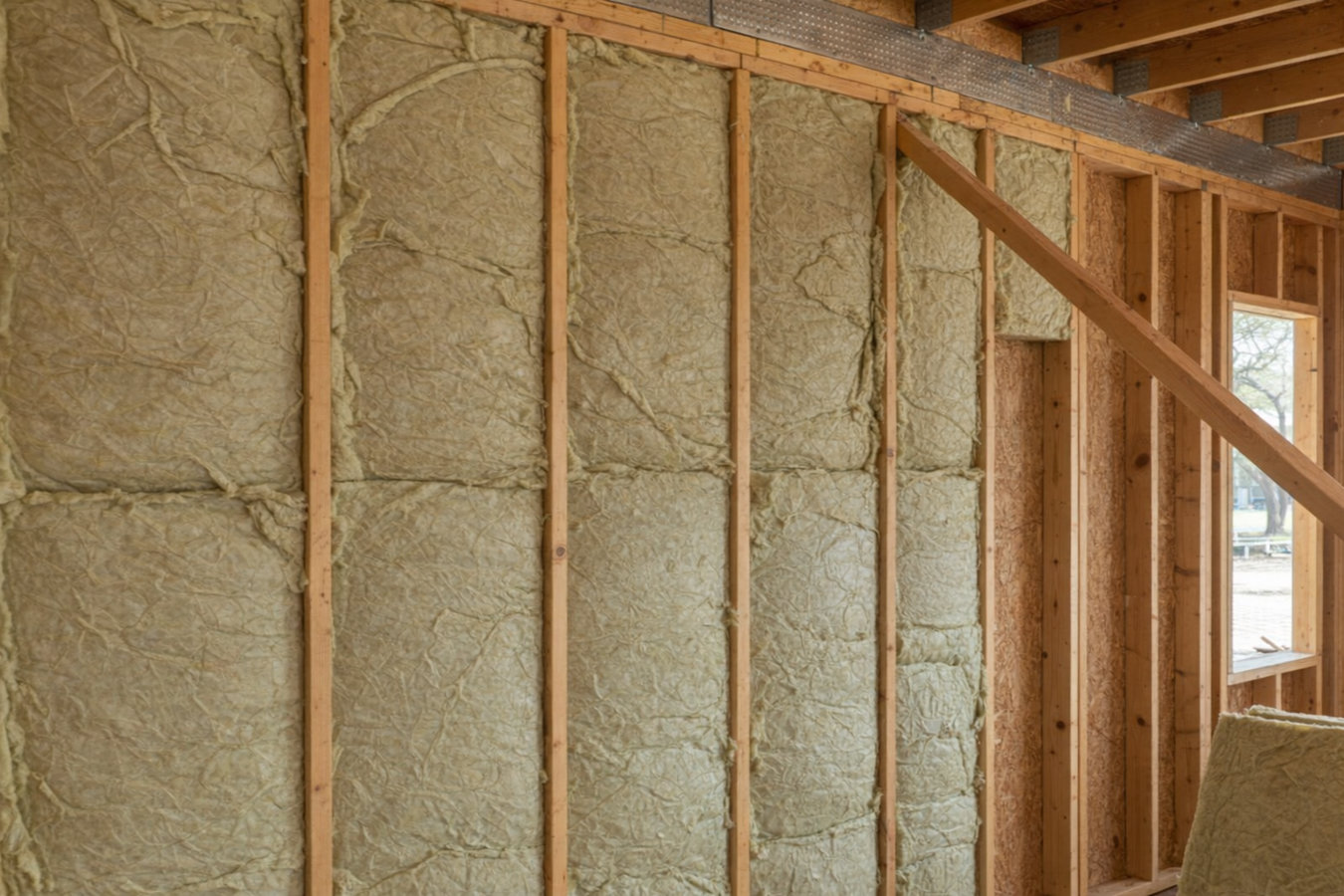
Most of the wall insulation work we do in Nipomo involves blown-in installation in finished walls - no drywall removal, no construction zone, just small fill holes that are patched and ready to paint by the end of the day. For homes that are currently in a remodel with open wall cavities, batt insulation is a faster and more cost-effective option. Both methods work alongside blown-in insulation for attics and other areas of the home that need coverage at the same time.
For the best overall performance, we often combine wall insulation with air sealing services to close the gaps around outlets, pipes, and window frames that let conditioned air bypass the insulation entirely. Addressing both in one visit is more cost-effective and delivers a noticeably more comfortable result than either service alone.
The right choice for finished walls - no drywall removal required, just small fill holes that are patched the same day.
Ideal for new construction or open walls during a remodel, where cavities are fully accessible before drywall goes up.
A variation of blown-in that packs material more tightly, reducing the risk of settling over time in taller wall sections.
Nipomo sits on a coastal mesa where the Pacific Ocean keeps temperatures mild but sends cool marine air rolling in most mornings and evenings. That steady temperature difference between indoors and outdoors - not dramatic, but constant - means your walls are doing real work year-round. Homes without adequate wall insulation in this climate tend to feel drafty and damp rather than dramatically hot or cold, which is why many Nipomo homeowners do not realize there is an insulation problem until they look at their energy bill or compare notes with a neighbor. The majority of Nipomo homes were built in the 1970s through the 1990s, before California's energy standards required meaningful insulation coverage in exterior walls - meaning the gap is widespread, not unusual.
Stucco exteriors are nearly universal in this area, which changes how blown-in insulation is installed - drilling through stucco requires more care than wood siding, and patching requires a stucco compound rather than drywall mud. We do this work on homes throughout Arroyo Grande and Santa Maria regularly, and we know what matching Nipomo-area stucco texture looks like when the job is done. Nipomo is also in PG&E territory, which means qualifying wall insulation upgrades may be eligible for utility rebates that can meaningfully reduce what you pay out of pocket.
When you reach out, we ask about your home's age, size, and what prompted the call. We reply within one business day and schedule an in-home visit rather than quoting blindly over the phone.
We walk your home, probe the wall cavities, and may use a thermal camera to confirm what is currently in your walls. The visit takes 30 to 60 minutes, and you get a written estimate at the end.
For finished walls, we drill small holes, pump insulation into each cavity, verify full coverage, and patch every hole the same day. Most single-story Nipomo homes are completed in one full day.
We patch all holes with matching stucco compound or drywall compound. Patches dry in 24 to 48 hours and are ready to paint. We walk through the completed work and give you documentation for rebate and tax credit applications.
Free written estimate. No sales pitch. We reply within one business day.
(805) 723-9619Nipomo homes are almost universally stucco-clad, and matching the texture on patched drill holes is a skill that separates a tidy job from one that looks patchwork forever. We work with stucco on every job in this area and take the finishing seriously.
We confirm each wall cavity is fully filled before we close the hole. This is the step most shortcuts skip, and it is the difference between insulation that works and insulation that has voids you will never see but will feel on your energy bill.
Nipomo is in PG&E territory, and we know what documentation you need to claim the current utility rebate. We provide the material type, R-value, and coverage details so you have everything required when you file, whether for a rebate or a federal tax credit.
The marine layer and mild temperature swings that define Nipomo's climate mean wall insulation here has to perform in both directions - keeping cool air out on foggy mornings and holding warmth in on cold nights. We size and select materials for this specific climate, not a generic California average.
Wall insulation is one of those projects where the difference between a careful job and a rushed one is completely invisible on the surface but shows up every month on your energy bill. We do this work the right way - verifying coverage, matching your stucco, and giving you everything you need to claim every rebate available to you as a Nipomo homeowner. For more on installation standards, the U.S. Department of Energy and the North American Insulation Manufacturers Association publish clear guidance on what good installation looks like.
Close the gaps around outlets, pipes, and attic penetrations that let conditioned air bypass your insulation.
Learn MoreLoose-fill coverage for attics and other areas of your home that need insulation at the same time as the walls.
Learn MoreWall insulation installs in a single day with no drywall removal - call now to lock in your date before the season books up.